About VAFFU
BUILT FOR THE FIRELINE
The Virtual Aerial Firefighting Unit is a mission-focused community built around realistic aerial firefighting operations, structured teamwork, and immersive simulation.
Who We Are
A virtual organization built around realism, teamwork, and purpose.
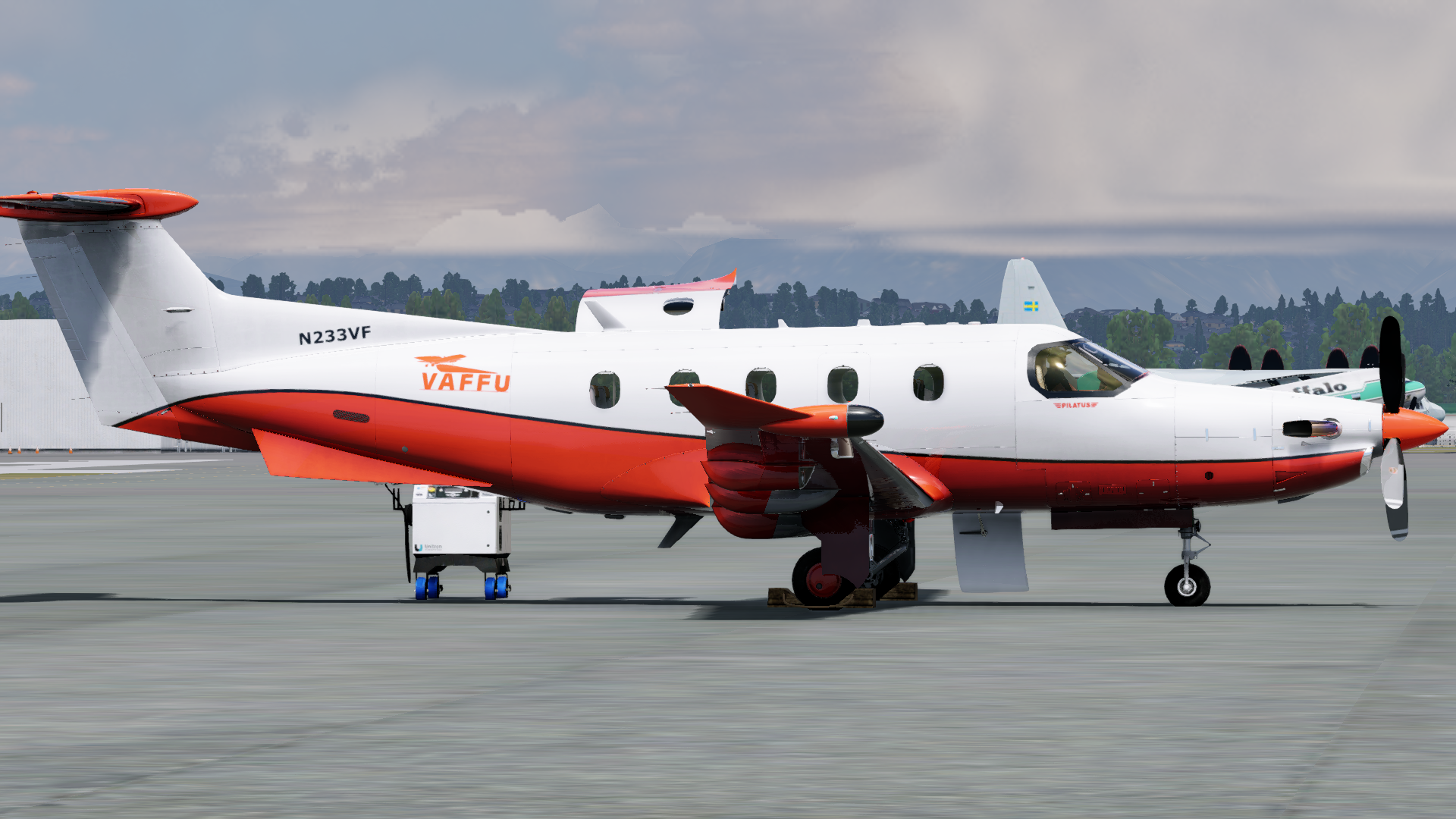
VAFFU was created to give pilots and community members a place where aerial firefighting is more than just flying from point A to point B. We aim to create an environment that feels coordinated, immersive, and operationally meaningful, while still being welcoming to those who want to learn and grow.
From dispatch flow and mission planning to tanker, rotor, and support operations, VAFFU is built around the idea that every role contributes to the larger mission.
Our Story
From a small idea to a growing platform.
VAFFU originally began as an unofficial concept in 2020 with a small group of five members, experimenting with the idea of bringing structure and purpose to virtual aerial firefighting.
As the concept developed, the decision was made to expand and formalize the organization within the VATSIM network. Over the course of several weeks, we worked to build a foundation that aligned with VATSIM standards, creating a website, developing training materials, and establishing procedures that would allow operations to function in a more realistic and organized way.
Over the years, VAFFU continued to grow in both capability and complexity. Early systems such as a hand-built statistics center were developed using Google Sheets to track flight hours, retardant drops, and operational data. These tools laid the groundwork for more advanced systems that would follow.
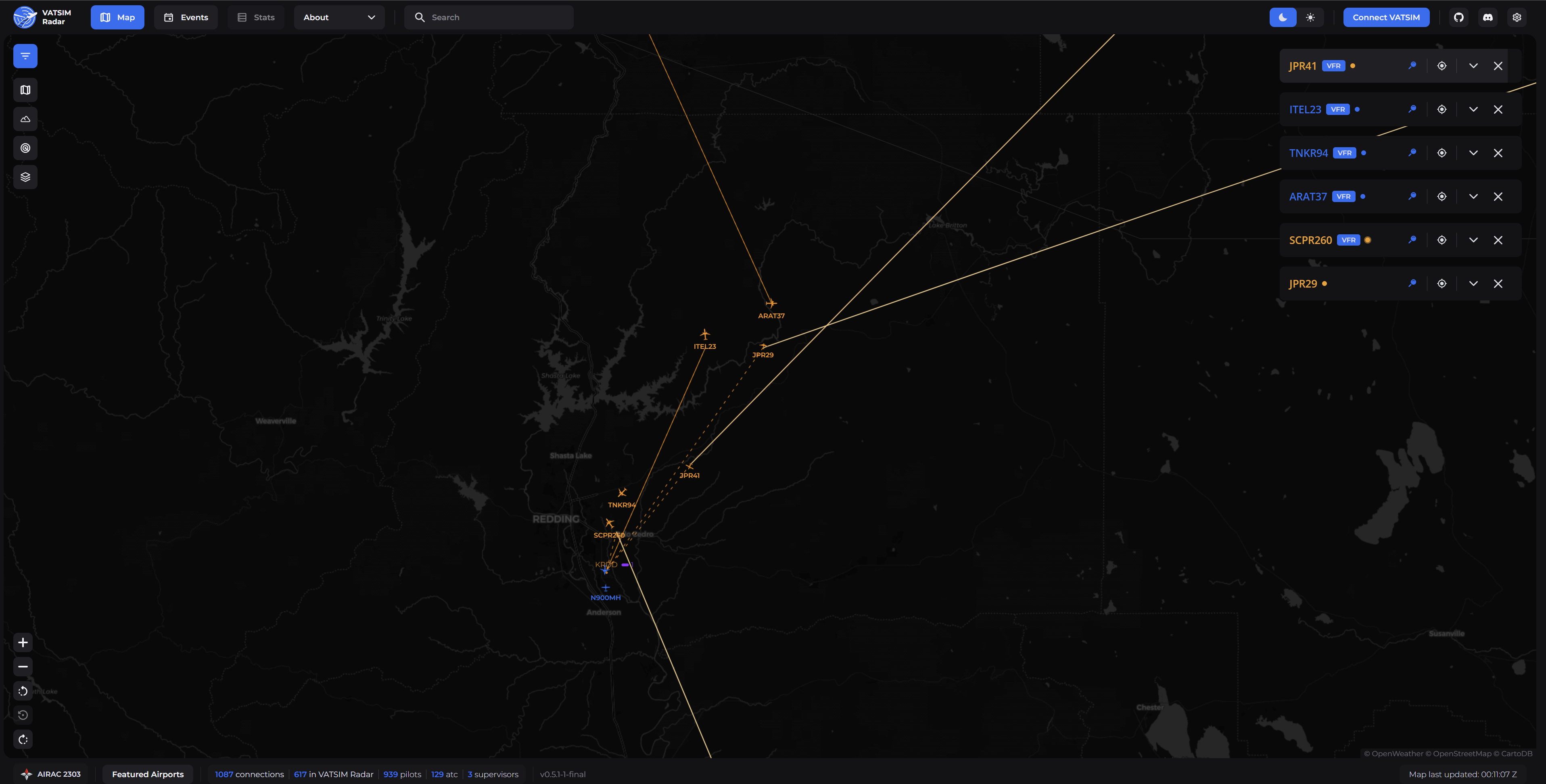
Today, VAFFU operates through a structured platform that includes a Discord server and integrated systems for dispatching, logging, and coordination. Using tools such as Google Sheets, Forms, Slides, and custom scripting, we have worked to create a more standardized and efficient way to manage operations and maintain consistency across the organization.
As the organization has grown, VAFFU has also gained recognition beyond the virtual environment. In collaboration with Intellic Technologies, select members have been invited to participate as role players in annual aerial firefighting training exercises conducted with the United States Forest Service. These opportunities have allowed us to contribute to realistic training scenarios and further bridge the gap between simulation and real-world operations.
Initial Idea
VAFFU began as an unofficial concept with five members exploring structured virtual aerial firefighting.
VATSIM Integration
The organization was formalized within VATSIM with a website, training system, and procedures.
Real-World Recognition
Members were selected to support USFS aerial firefighting training through Intellic Technologies.
Systems & Data
Advanced logging, dispatching, and statistics systems were built using Google tools and automation.
What’s Next
Expanding into research, innovation, and real-world operational influence.
Our Mission
To simulate the structure and pace of real aerial firefighting operations.
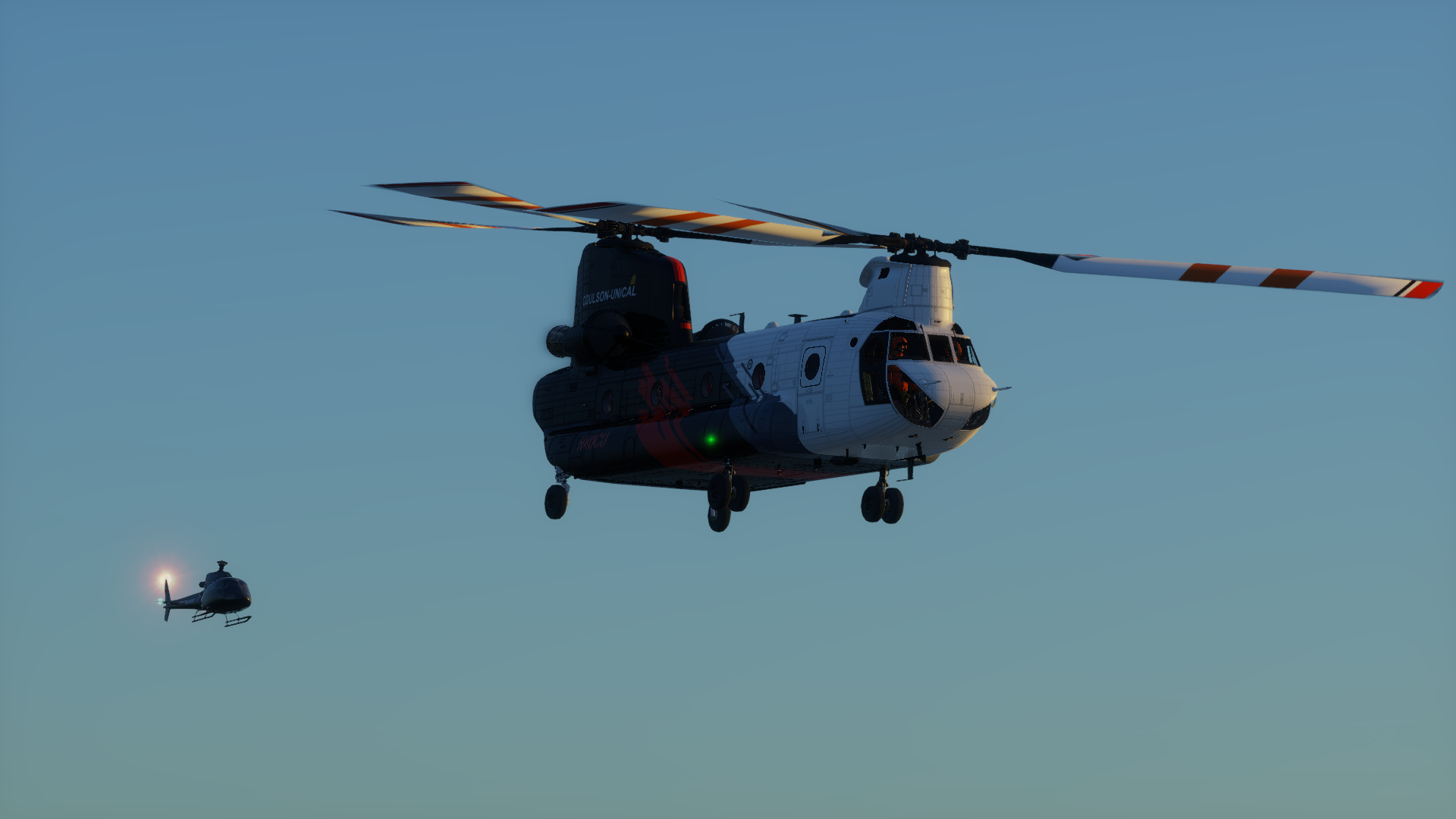
Our mission is to provide a realistic, engaging, and team-based environment where members can take part in organized wildfire operations inspired by real-world aerial firefighting across the United States.
We focus on the coordination behind the mission, not just the flight itself. That includes dispatch, procedures, communication, training, and the shared responsibility of operating as a team.
What Drives Us
The core of VAFFU
Realism
We build operations around structure, coordination, and mission flow to make each scenario feel intentional and immersive.
Training
We believe members should have room to learn, improve, and gain confidence through guided participation and consistent standards.
Teamwork
Aerial firefighting depends on coordination, and VAFFU is designed so every role contributes to the success of the mission.
Community
We want VAFFU to be a place where people connect through aviation, firefighting operations, and shared purpose.
How We See It
More than just a sim group
Mission-Based Flying
Operations are designed around incidents, response, and objective-driven flying rather than random standalone flights.
Operational Roles
VAFFU is built to include more than pilots alone, creating room for dispatch, coordination, and support elements to matter too.
Growth Through Experience
Members build skill through involvement, structured activity, and exposure to realistic operational concepts over time.
Our Vision
Building toward something bigger than simulation alone.
Our vision is to continue growing VAFFU into a stronger, more capable, and more connected organization. We want to keep improving the realism of our operations, the structure of our training, and the ways our members can contribute to a larger mission.
Over time, we hope VAFFU can extend beyond the virtual environment and help influence the future of aerial firefighting in meaningful ways. That includes exploring how safer and more efficient operations can be conducted within the Fire Traffic Area, supporting research and discussion around best practices, and creating a space where ideas can be tested, refined, and shared.
We also want to innovate software and operational tools that could one day support real-world use by helping reduce workload, improve coordination, and streamline parts of the mission that are often complex and demanding. In the long term, we would like to help build pathways into the industry as well, including the potential for a pipeline that could connect motivated members with tanker companies and real-world opportunities.
For us, the goal is not just to simulate aerial firefighting well, but to build an organization that can educate, innovate, and eventually help join the fight in a real and lasting way.
Grow the mission
Expand realism, structure, and opportunities for members to contribute.
Research safer FTA ops
Explore ways to support safer and more efficient aerial firefighting operations.
Innovate useful tools
Develop software concepts that could reduce workload and streamline coordination.
Create industry pathways
Work toward a future pipeline connecting members with tanker companies and opportunities.